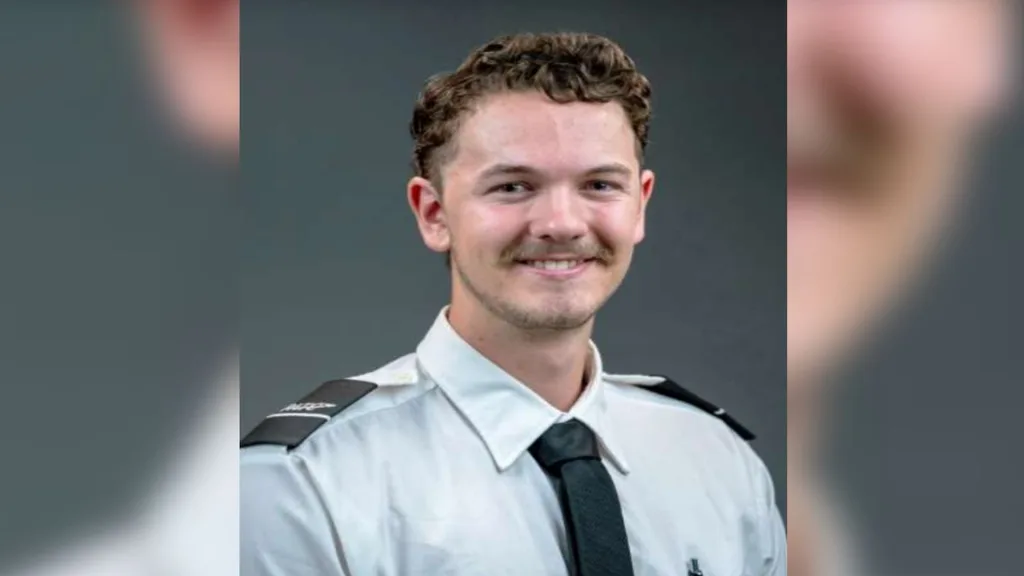
A devastating air ambulance crash off the coast of Massachusetts has claimed the lives of six individuals, including Thomas (Tommy) Henry Farquhar, a resident of Saskatchewan. Farquhar was serving as the first officer on the flight, which was en route from Bermuda to Boston when it tragically went down.
The incident occurred in the early hours of the morning, shocking not only the local community in Saskatchewan but also raising questions about the safety protocols surrounding air ambulance operations. Farquhar was highly regarded in his field, leaving behind family and friends who are now grappling with their profound loss.
Impact on the Community
This tragedy has sent ripples of sorrow through the communities impacted by the loss of Farquhar and his colleagues. Fellow aviators and community members have shared their condolences and memories, highlighting the dedication Farquhar had to his profession and the care he showed to those in need. The air ambulance service plays a crucial role in providing urgent medical assistance, often in life-or-death situations, making this loss even more poignant.
Authorities are currently investigating the circumstances surrounding the crash. Preliminary reports suggest that factors such as weather conditions and technical malfunctions are being examined to determine what led to this catastrophic event. As investigations continue, families of the victims are left to seek answers and closure.
Air Ambulance Operations Under Scrutiny
This incident prompts a broader discussion about the safety standards in place for air ambulance services. While these flights are critical for patient care, ensuring that the highest safety protocols are followed is essential. The regulatory bodies involved will likely review current practices to prevent future tragedies.
As the community mourns, support services are being offered to help those affected cope with their grief. The loss of six lives in an event that could have been avoided raises awareness about the inherent risks of aviation, especially in emergency medical situations.