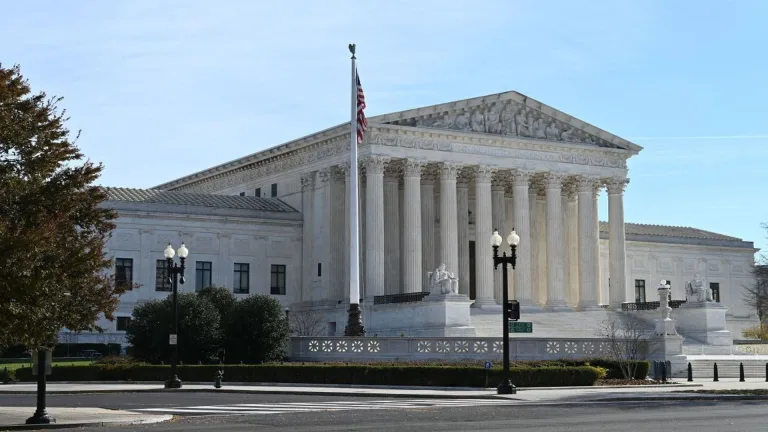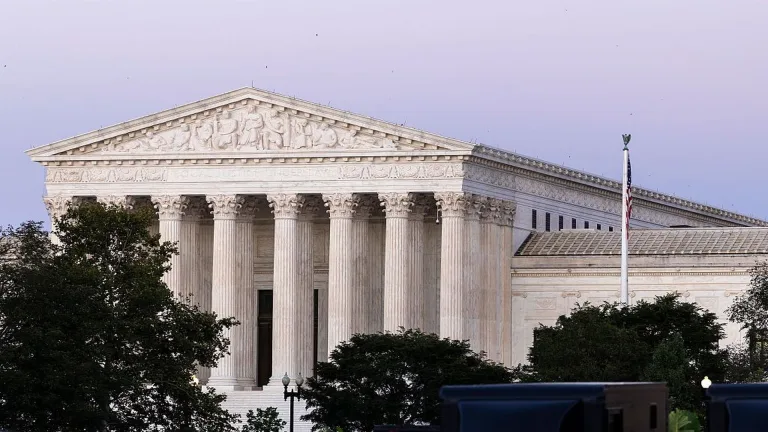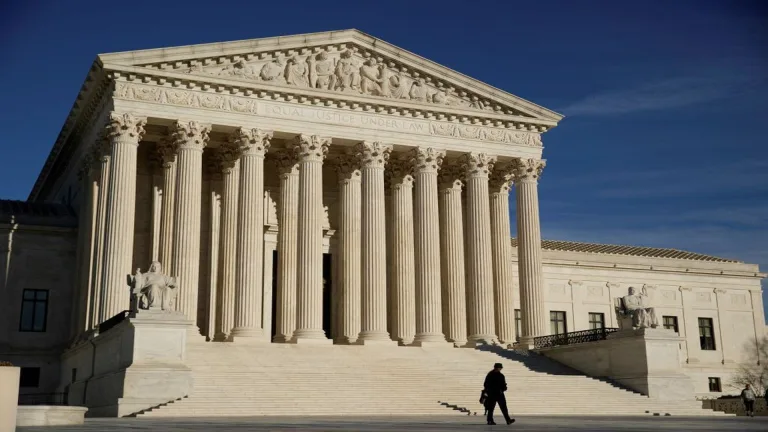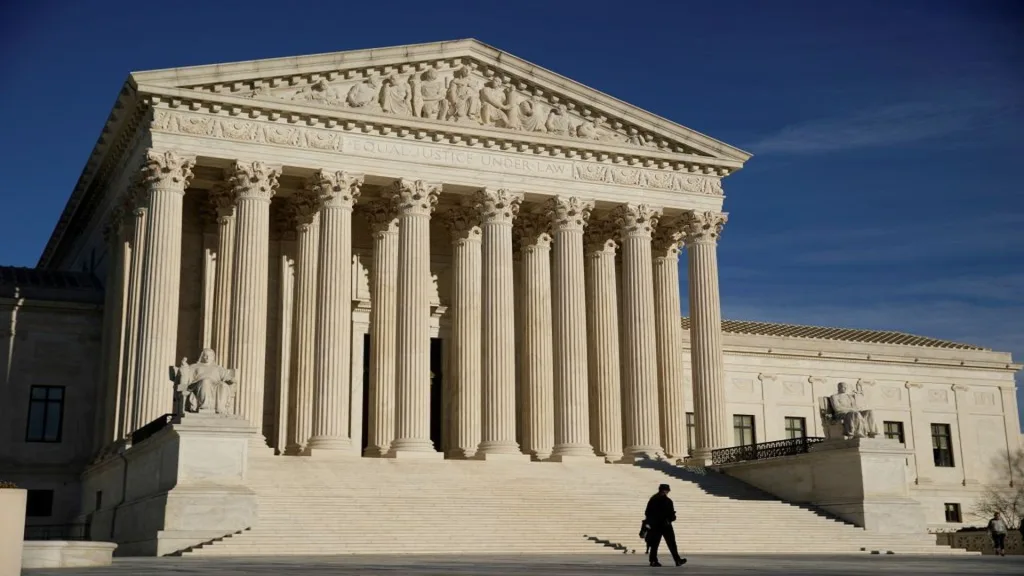
The U.S. Supreme Court is set to address a pivotal case that could reshape the landscape of race in school admissions. This high-profile review comes at a time when educational institutions are grappling with how to balance diversity and merit in their admission processes.
The case, which has attracted national attention, challenges the constitutionality of using race as a factor in college admissions. Proponents argue that race-conscious admissions policies are essential for fostering a diverse educational environment, while opponents contend that such practices amount to discrimination against non-minority applicants.
The Implications of the Ruling
A ruling in favor of limiting or eliminating race from admissions could have far-reaching consequences. Many universities rely on these policies to maintain a diverse student body, which proponents argue enhances the educational experience for all students. Critics, however, warn that it could lead to a significant decrease in minority enrollment, reversing years of progress toward inclusivity.
Legal experts believe that the justices’ decision will hinge on interpreting the Equal Protection Clause of the Fourteenth Amendment. This interpretation could redefine how educational institutions approach diversity and merit in a post-ruling environment.
What’s at Stake for Educational Institutions
Should the court rule against race-based admissions, schools may need to explore alternative strategies for achieving diversity. This could include outreach programs, socioeconomic-based admissions, or other measures that do not explicitly consider race. Each approach presents its own set of challenges and opportunities.
As the case unfolds, educators, policymakers, and students alike are watching closely. The outcome will not only impact admissions practices but could also influence broader discussions about equity and representation in education across the country.