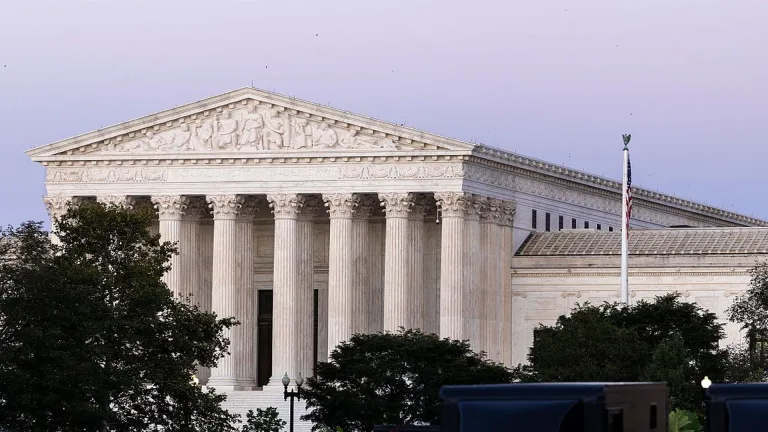
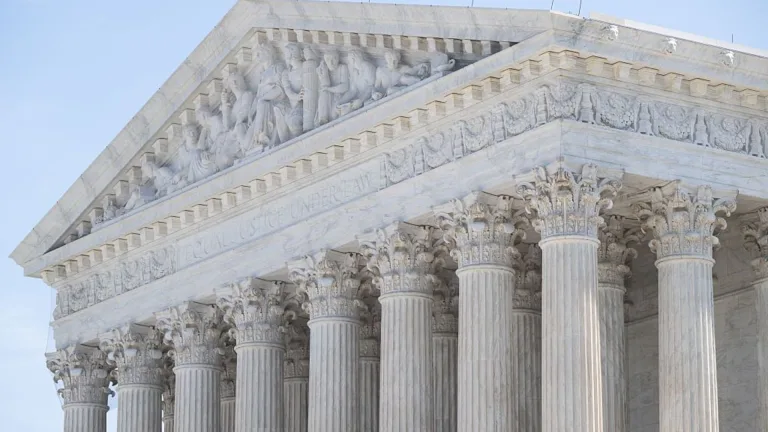
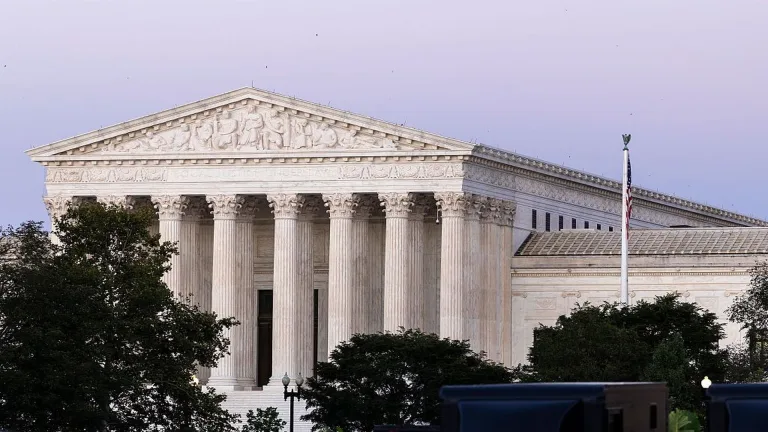
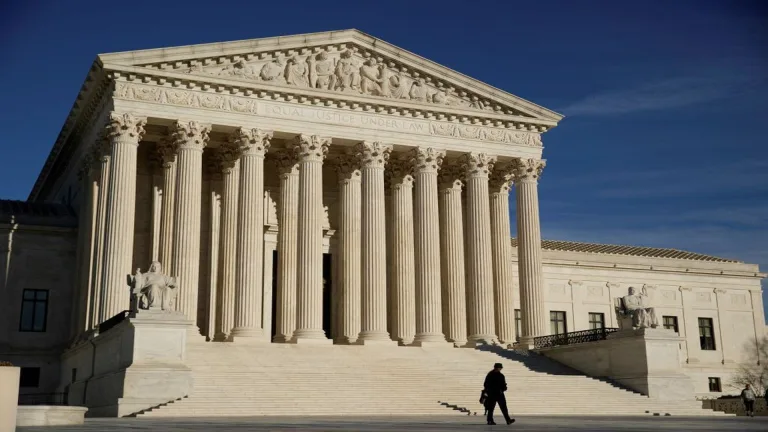
The Supreme Court has announced it will hear a pivotal case regarding the federal government’s ban on home distilleries. This decision comes amid a growing interest in craft spirits and home-based alcohol production, raising questions about individual rights and federal regulation of personal consumption.
The case centers on whether the federal prohibition on distilling alcohol at home infringes on the rights of individuals to produce their own spirits for personal use. Proponents argue that such regulations are outdated and that home distilling should be treated similarly to home brewing, which is legal in many states. Critics, however, point out the potential risks associated with unregulated alcohol production, including safety hazards and illegal distribution.
What This Means for Home Distillers
This Supreme Court review could have significant implications for hobbyists and small business owners alike. If the court rules in favor of home distillers, it could pave the way for new legislation and regulations that would allow individuals to distill alcohol legally for personal consumption. This change could also stimulate the craft spirits market, as more people gain the ability to experiment with distillation techniques and flavors.
However, the federal government is expected to argue that the ban is necessary to maintain public safety and prevent illegal alcohol distribution. The outcome of this case could redefine the landscape of home distilling across the United States.
Impact on Local Distilleries and the Economy
As the craft beverage industry continues to grow, local distilleries are watching this case closely. A ruling that allows home distilling could lead to increased competition, while also providing an opportunity for distilleries to educate consumers about responsible drinking and quality craftsmanship.
In states where home brewing is already popular, the conversations surrounding safety and regulation could serve as a model for how home distilling might be approached. The potential economic impacts could also be substantial, as a more open market for home distillation may lead to greater innovation within the spirits industry.