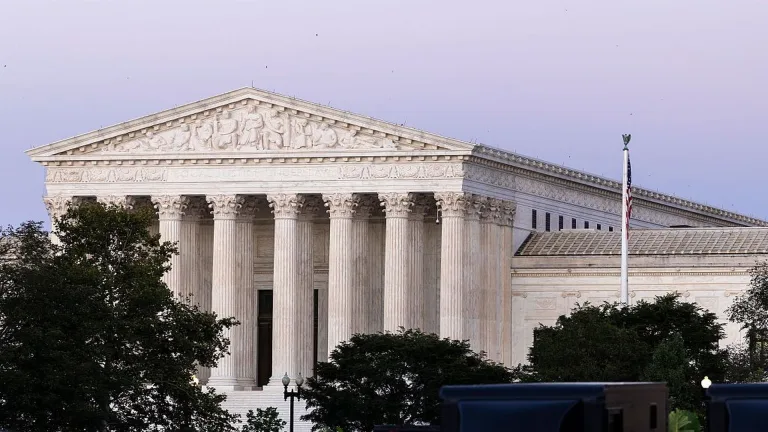
The ongoing battle over the rights of transgender inmates has reached a new level as the Trump administration has requested the Supreme Court to intervene in a lower court ruling. This request aims to block an order that would enforce specific protections for transgender individuals in the prison system.
The lower court had previously mandated that transgender inmates be treated according to their gender identity, a decision that has been met with significant controversy. Advocates for LGBTQ+ rights argue that this ruling is essential for the safety and dignity of transgender individuals incarcerated in facilities that may not align with their gender identity.
Implications of the Administration’s Request
The administration’s appeal raises critical questions about the balance between state policy and individual rights. If the Supreme Court agrees to hear the case, it could set a precedent that affects not only transgender inmates but also broader LGBTQ+ rights within the U.S. justice system. Legal experts suggest that this case may be pivotal in defining how discrimination against transgender individuals is addressed in various sectors, including healthcare and employment.
Supporters of the lower court’s decision believe that denying transgender inmates the right to alignment with their gender identity could lead to increased vulnerability to violence and discrimination within prison walls. The American Civil Liberties Union (ACLU) has been vocal in its support for the rights of transgender inmates, emphasizing that the ruling is a step toward equality and human dignity.
Next Steps and Broader Implications
As this case progresses, it highlights the ongoing struggle for transgender rights, particularly in environments that are often hostile. The Supreme Court’s decision could resonate well beyond the prison system, influencing policies related to immigration, healthcare, and civil rights across the nation. The legal framework surrounding these issues continues to evolve, and many are watching closely to see how the justices will navigate this complex and sensitive matter.