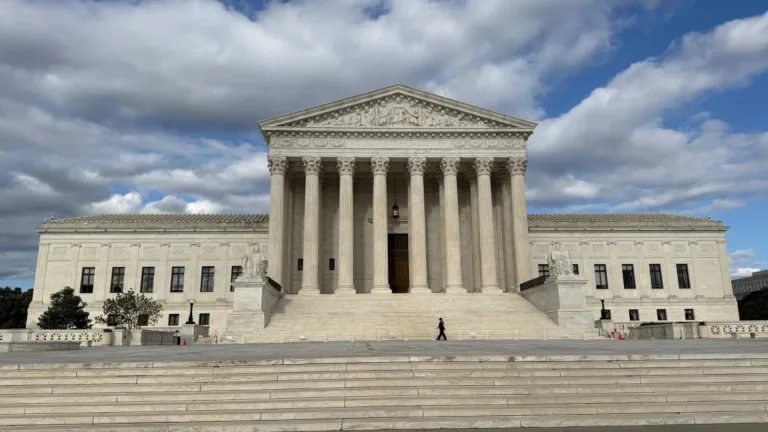
A coalition of immigrants has submitted a plea to the U.S. Supreme Court, urging the justices to maintain a ruling that prevents the Trump administration from deporting them to third-party countries. This development highlights ongoing tensions surrounding immigration policies that many believe disproportionately affect vulnerable populations.
The Supreme Court’s decision could significantly impact thousands of immigrants who have sought refuge in the United States. These individuals argue that being sent to third-party nations would jeopardize their safety and undermine their chances for a fair asylum process. The request emphasizes the need for a compassionate approach to immigration law, especially in a climate where many face dire circumstances in their home countries.
Legal Implications for Immigration Policy
The legal battle underscores the complexities of U.S. immigration policy. Advocates for immigrants argue that deporting individuals to countries where they may not have connections or support systems is inhumane. The ruling they are asking the Supreme Court to uphold is seen as a critical safeguard, allowing immigrants to remain in the U.S. while they navigate the asylum process.
Legal experts suggest that this case may set a significant precedent for future immigration cases, influencing how the courts interpret asylum rights and the responsibilities of the U.S. government towards those seeking refuge. The outcome could also shape public perception of immigration and reinforce or challenge existing policies.
Broader Impact on Communities
The implications of the Supreme Court’s decision extend beyond the individuals directly involved. Communities across the nation are affected by immigration policies, as they shape local economies, cultural diversity, and social dynamics. Immigrants contribute significantly to the U.S. workforce and enrich the cultural fabric of society, making the stakes particularly high.
As the Supreme Court prepares to hear the case, the immigrant community and their advocates remain hopeful. They believe that justice will prevail and that the Court will recognize the importance of ensuring safety and due process for those seeking asylum in the United States.