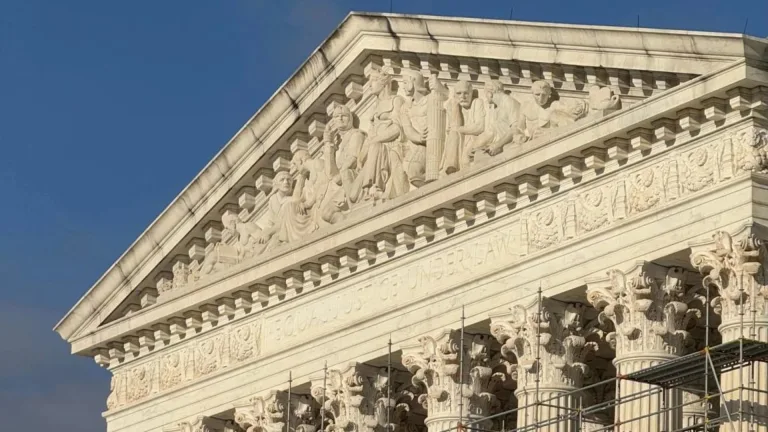
The U.S. Supreme Court is preparing to deliberate on a significant case that could redefine the landscape of corporate responsibility regarding climate change. This pivotal review will address whether a lawsuit aimed at holding major energy companies accountable for their role in climate change can proceed. The outcome could have far-reaching implications for businesses across various sectors.
At the core of this case is the assertion that energy companies have not only contributed to climate change but have also misled the public about the risks associated with fossil fuel consumption. Environmental advocates argue that these companies should be held liable for the damages caused by climate change, including extreme weather events, rising sea levels, and public health crises.
Implications for Businesses
If the Supreme Court rules in favor of allowing the lawsuit to proceed, it could set a precedent that may encourage similar legal actions against other corporations. Companies in the energy sector, along with those in manufacturing and transportation, may face increased scrutiny regarding their environmental practices and disclosures. This shift could lead to a surge in compliance requirements and necessitate a reevaluation of corporate liability strategies.
Legal experts suggest that a ruling against energy companies could also encourage state and local governments to pursue their own lawsuits, potentially creating a patchwork of regulations across the country. This scenario emphasizes the importance for businesses to stay informed about evolving regulations and the potential for increased litigation.
Preparing for a Changing Legal Landscape
Entrepreneurs and business owners must be proactive in assessing their company’s environmental impact and liability. Implementing sustainable practices and transparent reporting can not only mitigate risks but also enhance a company’s reputation among consumers increasingly concerned about climate change. Understanding employment law, contracts, and compliance with environmental regulations will be crucial as the legal landscape shifts.
As the Supreme Court’s decision approaches, businesses should consult legal professionals to ensure they are prepared for any changes that may arise from the ruling. The case serves as a reminder that corporate accountability is becoming an essential aspect of business strategy in a world increasingly focused on sustainability.