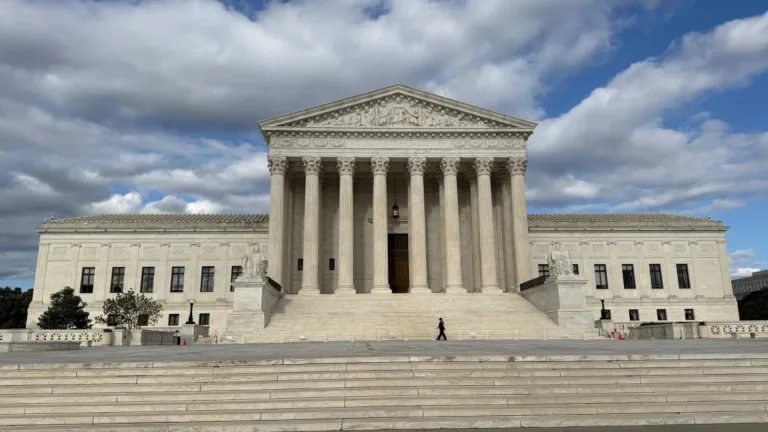
The U.S. Supreme Court has announced that it will hear a significant deportation case during its December argument session, adding to the growing list of cases that could reshape immigration law. This decision comes at a time when the legal landscape surrounding citizenship and immigration is particularly contentious, especially following President Trump’s recent attempts to redefine birthright citizenship.
As immigration issues continue to dominate national headlines, the Supreme Court’s involvement in this deportation case underscores the judicial branch’s critical role in interpreting immigration laws. Legal experts suggest that the outcome could set important precedents for how deportation cases are handled in the future, potentially impacting thousands of individuals facing removal from the country.
Implications for Immigration Law
The case, which has not yet been detailed publicly, is anticipated to raise significant questions about due process rights for immigrants. Many advocates are closely monitoring the situation, as the Supreme Court’s ruling could either uphold or challenge existing norms around deportation processes, which have faced scrutiny for being overly harsh or unjust.
In parallel, President Trump’s recent executive order aimed at limiting birthright citizenship faces mounting legal challenges. Critics argue that the order is unconstitutional and undermines a long-standing principle that grants citizenship to anyone born on U.S. soil. With the Supreme Court now poised to address these intertwined issues, the potential for a landmark ruling looms large.
What This Means for Entrepreneurs
For U.S.-based entrepreneurs, the outcomes of these cases could have far-reaching implications, particularly for businesses reliant on immigrant labor. Changes in deportation laws could affect the availability of skilled workers, while shifts in citizenship policies might alter the landscape for foreign investment and business formation in the U.S.
As these legal battles unfold, it is crucial for professionals to stay informed and prepared for how these decisions might impact their operations and workforce dynamics. Engaging with legal advisors who specialize in employment law and immigration can help navigate the complexities of these developments.