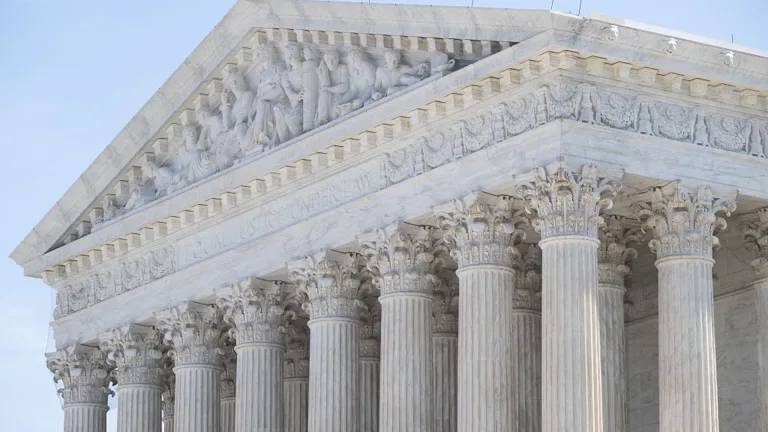
The U.S. Supreme Court has chosen not to take up several high-profile cases, leaving unresolved issues that touch on free speech, the Second Amendment, and public health. Among the notable cases dismissed is one concerning the controversial phrase ‘Let’s Go Brandon,’ which has become emblematic of political dissent in America.
Another significant case involved the rights of felons to possess firearms, a contentious topic that raises questions about civil liberties and public safety. The court’s decision not to hear this case means that lower court rulings will stand, maintaining the current legal landscape for felons and their Second Amendment rights.
Implications of the Court’s Decisions
Additionally, the Supreme Court opted out of reviewing challenges against COVID-19 vaccine mandates. This decision is particularly relevant as public health policies continue to evolve in response to the pandemic. By not addressing these mandates, the court leaves state and federal agencies with the power to enforce their own policies, potentially leading to a patchwork of regulations across the country.
Legal experts have noted that the court’s refusal to engage with these cases reflects a reluctance to wade into polarizing political debates. ‘The court often prefers to avoid cases that could exacerbate divisions, especially those that are highly charged,’ said constitutional law professor Jane Doe. This cautious approach allows the court to maintain its authority while avoiding the backlash that could accompany rulings on hot-button issues.
What This Means for Citizens
For U.S.-based immigrants and families navigating the complexities of immigration law, these decisions can have indirect ramifications. The evolution of civil rights and freedoms impacts all residents, particularly those in vulnerable positions. As legal battles around rights and freedoms unfold, it is crucial for immigrants and their advocates to stay informed of any developments that might affect their circumstances, especially in areas of public safety and health.
While the Supreme Court’s docket may not reflect an immediate impact on immigration cases, the broader implications of free speech and civil rights are essential for understanding the legal landscape in which immigrants operate. Keeping abreast of these issues can empower families and legal professionals alike as they advocate for their rights within the U.S. legal system.