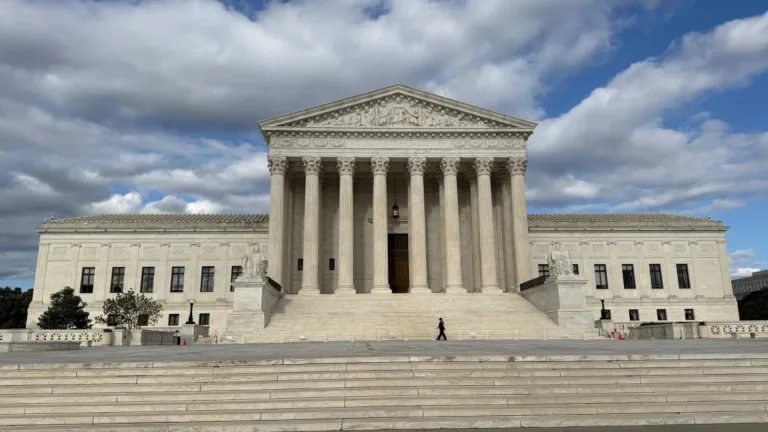
The ongoing redistricting battle in Missouri may soon find its way back to the Supreme Court, raising critical questions about state governance and electoral fairness. This issue comes at a time when many states are grappling with how to redraw district lines that reflect population changes while abiding by legal and constitutional standards.
Missouri’s redistricting process has been contentious, with accusations of partisan gerrymandering and disputes over the legality of certain maps. These challenges often lead to drawn-out legal battles that can significantly impact electoral outcomes and representation. If the case returns to the Supreme Court, it could set a precedent for how similar disputes are handled in the future.
Implications for Governance and Justice
As the Missouri redistricting saga unfolds, there are broader implications for governance and the role of the chief justice in overseeing such disputes. Some legal experts argue that the chief justice should play a more active role in ensuring that the redistricting process remains fair and transparent. This could involve advocating for clearer guidelines and standards to prevent potential abuses of power.
With various states facing similar challenges, the outcome of Missouri’s situation could resonate far beyond its borders. The Supreme Court’s involvement would not only address the specifics of the case but also reaffirm the importance of equitable representation in the democratic process.
Looking Ahead
As entrepreneurs and professionals navigate the complex landscape of U.S. business law, understanding the implications of political redistricting can be essential. Changes in district boundaries can affect local economies and business opportunities, emphasizing the need for vigilance in legal matters that influence governance.
For those in Missouri and beyond, staying informed about the evolving legal landscape surrounding redistricting is crucial. It can shape the future of local governance and, in turn, impact the business climate. As the situation develops, stakeholders should be prepared to engage with the legal system and advocate for fair representation.