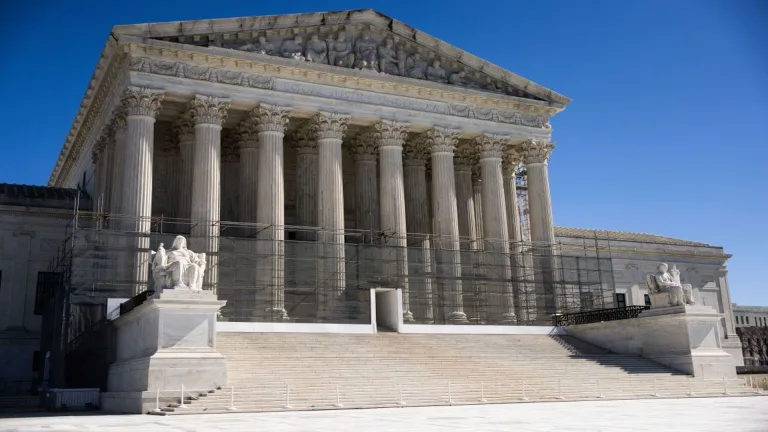
The U.S. Supreme Court recently upheld New Hampshire’s decision to restrict the use of student identification cards as a valid form of voter ID. This ruling marks a significant shift in the landscape of voting regulations, particularly for college students who may rely on their student IDs when exercising their right to vote.
New Hampshire’s law, which requires voters to present an ID that includes their photo and is issued by the state, has sparked debates about accessibility and fairness in the electoral process. The court’s ruling indicates a broader trend toward more stringent voter ID laws across the country, which supporters claim help combat fraud while critics argue they disenfranchise younger voters.
Understanding the Ruling’s Implications
This decision emphasizes the importance of compliance with state regulations when it comes to voting. For students attending colleges in New Hampshire, this may complicate their voting experience, especially for those who do not possess a state-issued ID. The ruling may also encourage other states to adopt similar restrictions, potentially limiting access to the polls for a demographic that traditionally has lower voter turnout rates.
Legal experts suggest that this ruling could have ripple effects beyond New Hampshire. “The Supreme Court’s decision may embolden other states to pursue similar ID laws, raising concerns about the accessibility of voting for young people across the nation,” notes a constitutional law scholar.
What Students Need to Know
For students, it’s crucial to understand the implications of this ruling as they prepare to vote. Those who are registered in New Hampshire should check their ID requirements and consider obtaining a state-issued ID if they do not already have one. Additionally, students should remain informed about any changes in voting regulations in their respective states, as these can evolve rapidly.
Ultimately, while the Supreme Court’s decision reinforces New Hampshire’s voter ID law, it also serves as a reminder for all voters—especially students—to stay vigilant about the legal requirements for voting in their states. Ensuring compliance not only upholds the integrity of the electoral process but also helps protect the rights of all citizens to participate in democracy.