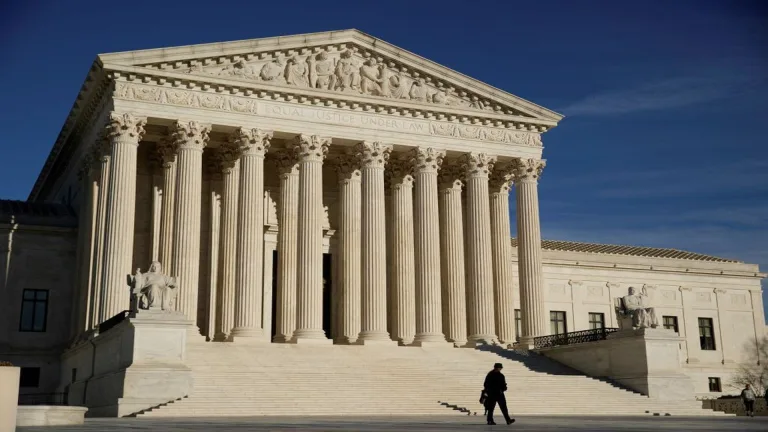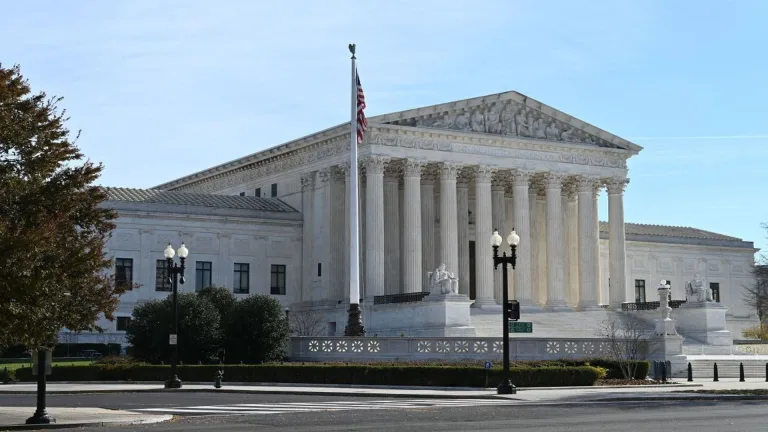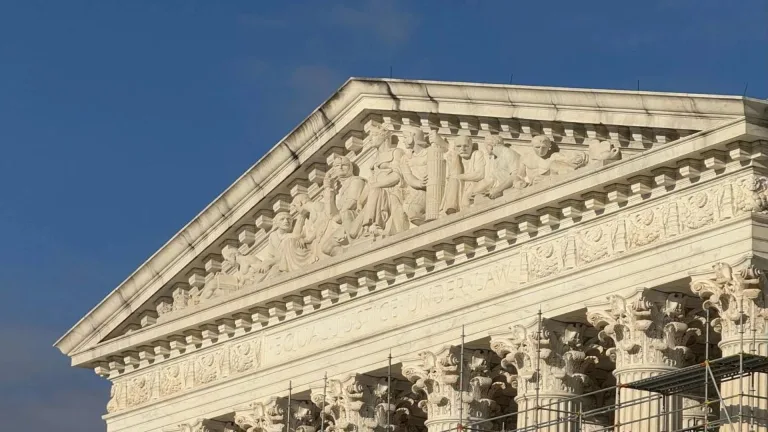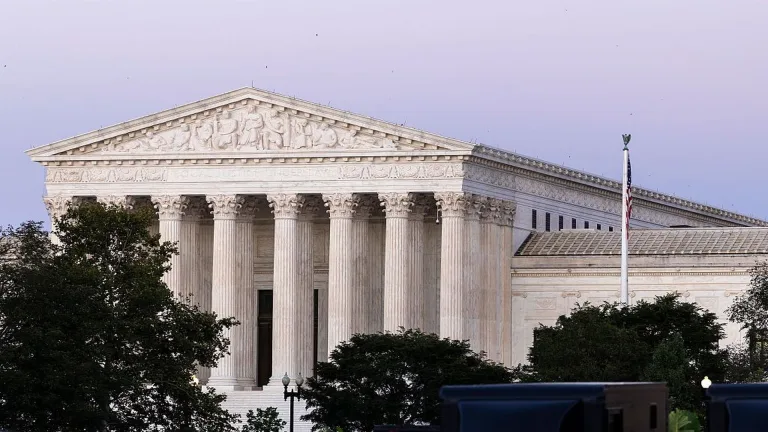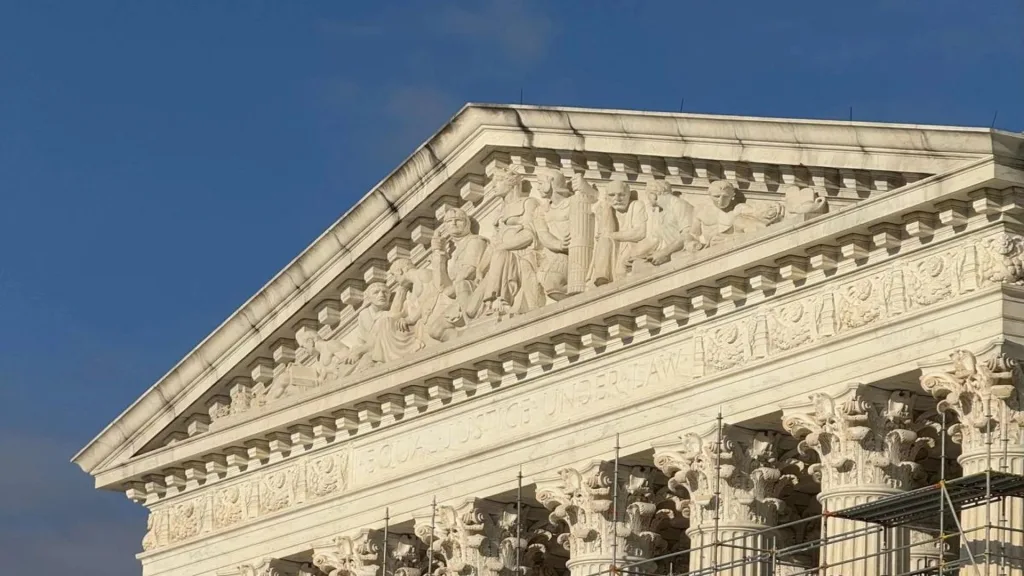
The U.S. Supreme Court is set to tackle two landmark cases that could have far-reaching implications for education and personal liberties. The justices have agreed to hear arguments concerning race and its role in school admissions, alongside a challenge to the federal ban on home distilleries.
These cases come at a pivotal time when discussions around equity in education are more pressing than ever. The case focusing on race and school admissions is expected to examine how educational institutions consider racial factors in their admissions processes. This follows a trend of increasing scrutiny over affirmative action policies, which aim to create diverse student bodies but have faced opposition from various groups claiming they result in reverse discrimination.
Implications for Education
The outcome of the admissions case could reshape how colleges and universities across the nation approach diversity and inclusion. If the Court decides to restrict the use of race as a factor in admissions, it may lead to a significant drop in minority enrollment at many institutions, potentially stalling progress made over recent decades.
On the other hand, the challenge to the federal ban on home distilleries addresses personal rights and the growing trend of craft distilling. This case questions the legality of federal regulations that prohibit individuals from producing distilled spirits for personal use. Proponents argue that such bans infringe on personal freedoms and are outdated in light of the rising popularity of craft distilling.
Why This Matters
The implications of these cases extend beyond the courtroom. They tap into broader societal issues surrounding race relations, educational access, and personal liberties. For entrepreneurs and professionals in the business realm, the outcomes could influence future legislative changes that affect compliance and operational standards in education and alcohol production sectors.
As the Supreme Court prepares to hear these cases, U.S.-based entrepreneurs and professionals should stay informed about how these rulings may affect their businesses and communities. The decisions could set important precedents that reshape not only the landscape of education but also the legal framework surrounding personal freedoms in the realm of home production.