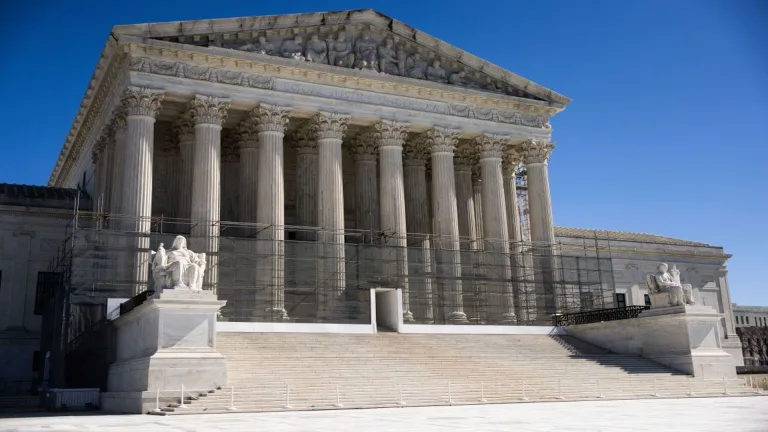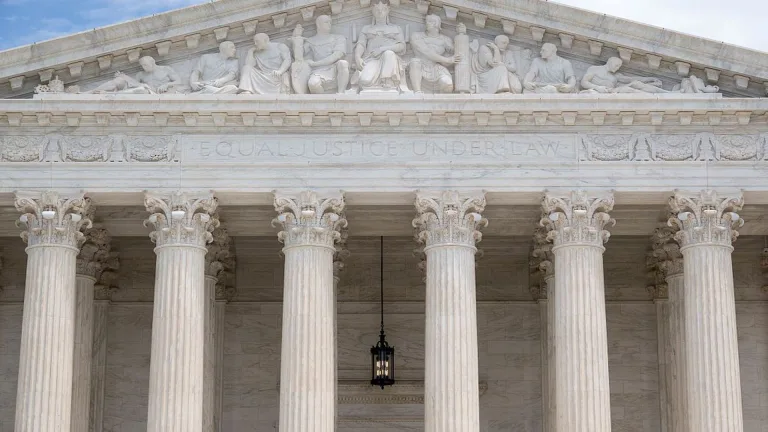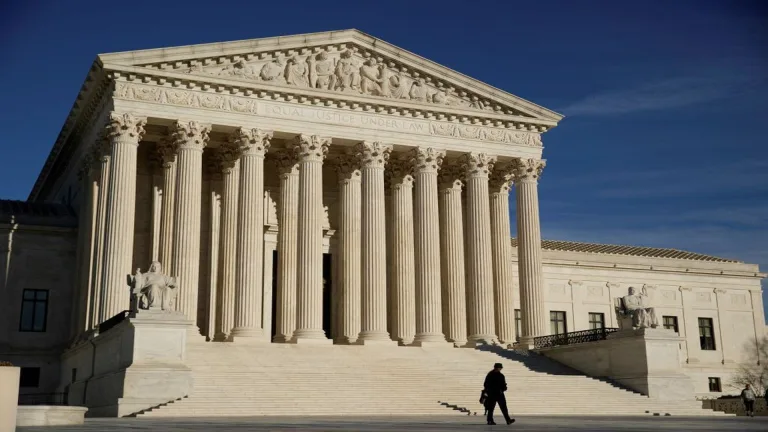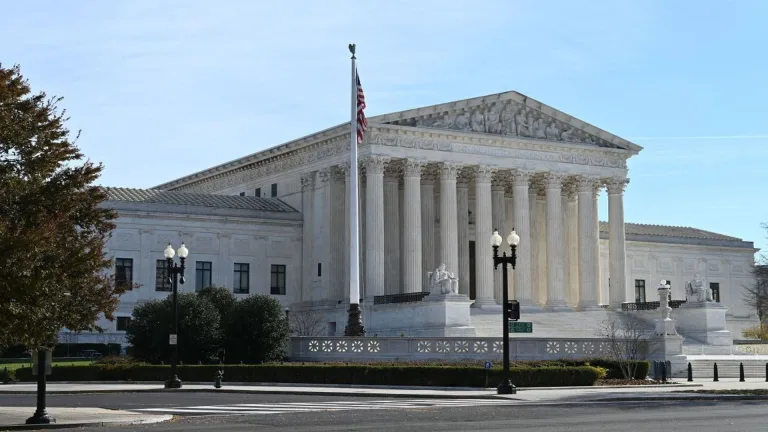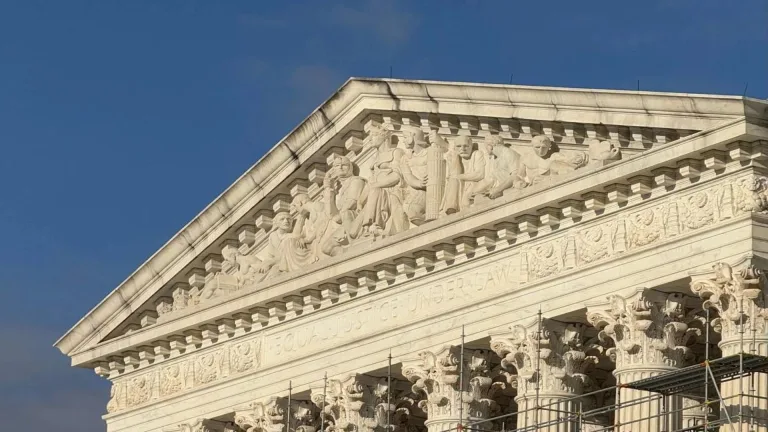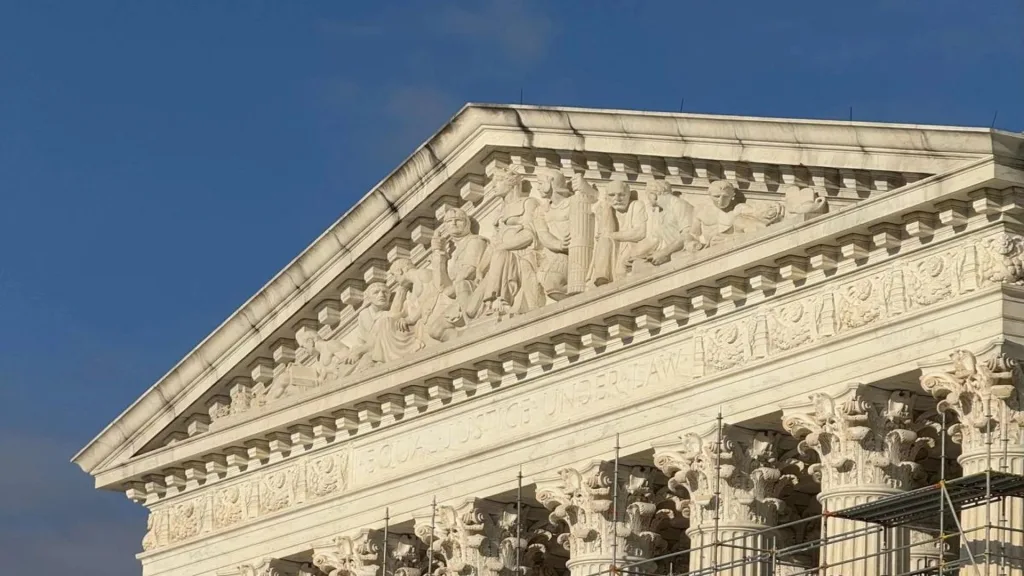
As legal battles escalate, several Trump-related cases are set to make their way to the Supreme Court, potentially reshaping the landscape of executive power in the U.S. These cases, which involve issues like accountability and presidential immunity, could have vast implications for future administrations.
The Supreme Court has a history of interpreting the boundaries of executive authority, and with Chief Justice John Roberts at the helm, there is a keen interest in how these cases will unfold. Given the political and legal ramifications, the justices are being closely watched as they prepare to address questions that may redefine the limits of power held by the presidency.
What’s at Stake for Entrepreneurs?
For U.S.-based entrepreneurs and professionals, the outcomes of these Supreme Court cases could impact various aspects of business law, particularly in areas like liability and compliance. Decisions made by the Court might influence how businesses navigate their contracts and the extent to which they are protected under executive actions.
Moreover, the legal precedents established in these cases may also affect intellectual property rights and employment law, which are critical for startups and established companies alike. Understanding these potential changes is essential for entrepreneurs looking to safeguard their interests in an evolving legal environment.
The Long Game of Executive Power
Chief Justice Roberts seems to be focused on a long-term vision for executive power, aiming to strike a balance between accountability and the independence of the presidency. Legal experts speculate that the Court’s decisions could set significant precedents, affecting not only current cases but also future governance and business regulations.
As these Trump-related cases advance through the judicial system, entrepreneurs must stay informed and ready to adapt to new legal realities that may emerge from the Supreme Court’s rulings. With the stakes higher than ever, the business community is watching closely.