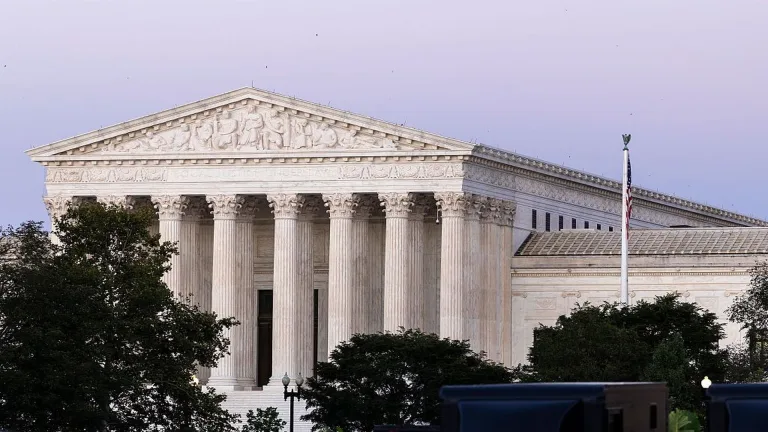
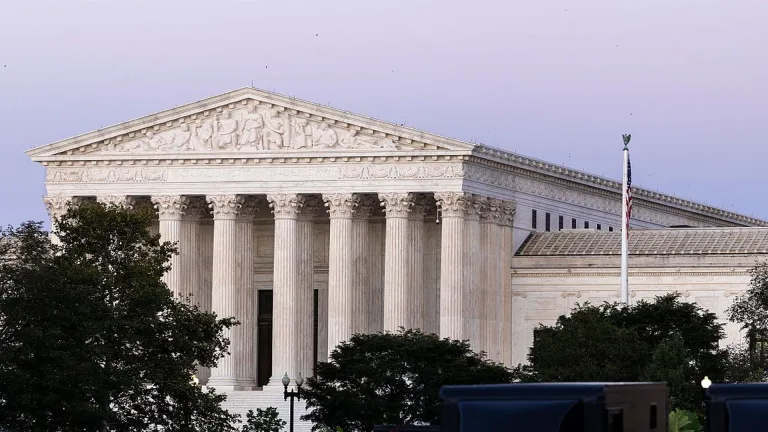
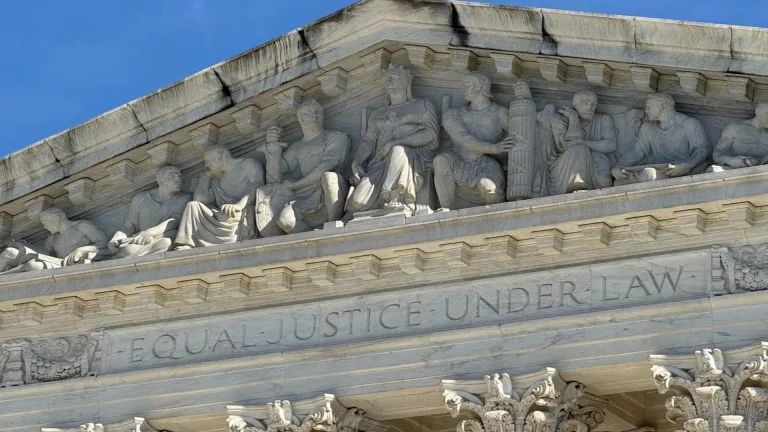
The issue of noncitizen voting has emerged as a contentious topic in the U.S., especially during the Trump administration’s efforts to curb it. This initiative aimed to ensure that only citizens participate in elections, highlighting the administration’s broader immigration stance. The involvement of the Supreme Court has been pivotal in shaping the legal landscape surrounding this issue.
During Trump’s presidency, several states enacted laws that required more stringent voter registration procedures, aiming to identify and exclude noncitizens from voting rolls. Proponents argued that these measures were necessary to protect the integrity of elections, while critics contended that they disproportionately affected minority communities and could suppress legitimate votes.
Legal Challenges and Supreme Court Decisions
The attempts to enforce these laws faced numerous legal challenges. Lower courts often ruled against the Trump administration’s policies, citing violations of the Voting Rights Act and other civil rights protections. The Supreme Court’s involvement was crucial, as it had the power to either uphold or overturn these lower court decisions.
In a series of rulings, the Supreme Court favored a more restrictive interpretation of voting rights, allowing some of the Trump administration’s efforts to proceed. This included upholding strict voter ID laws and policies that made it easier to purge noncitizens from voter rolls. The Court’s decisions have raised concerns about the potential ramifications for immigrant communities and the electoral process as a whole.
The Broader Implications for Immigration Law
The ramifications of the Supreme Court’s rulings extend beyond voting rights; they intersect with broader immigration law issues. As the Court continues to weigh in on voting rights, its decisions could influence policies related to asylum seekers, green card applicants, and other immigrant populations. The emphasis on citizenship in voting could create a more hostile environment for immigrants, complicating their path to integration.
For U.S.-based immigrants and families navigating the complexities of immigration law, understanding the implications of these rulings is crucial. Legal experts suggest that being informed about these developments can help families prepare for potential challenges in their immigration cases, whether they are applying for visas, green cards, or facing deportation.
The ongoing conversation about noncitizen voting and the Supreme Court’s role underscores the intersection of immigration and electoral politics. As the landscape continues to evolve, staying informed is essential for those impacted by these changes.