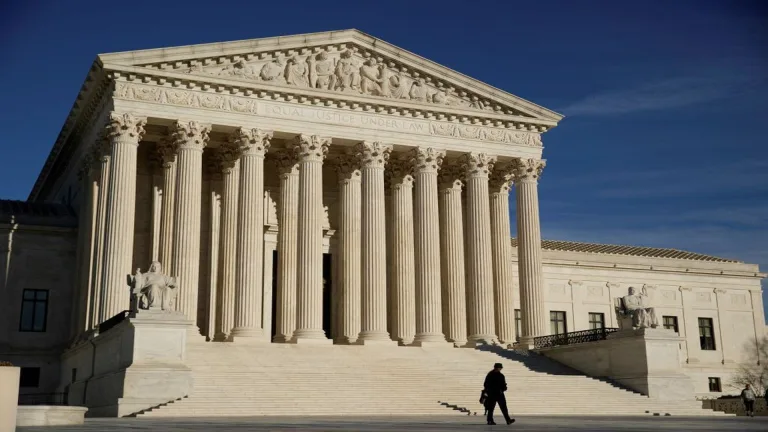
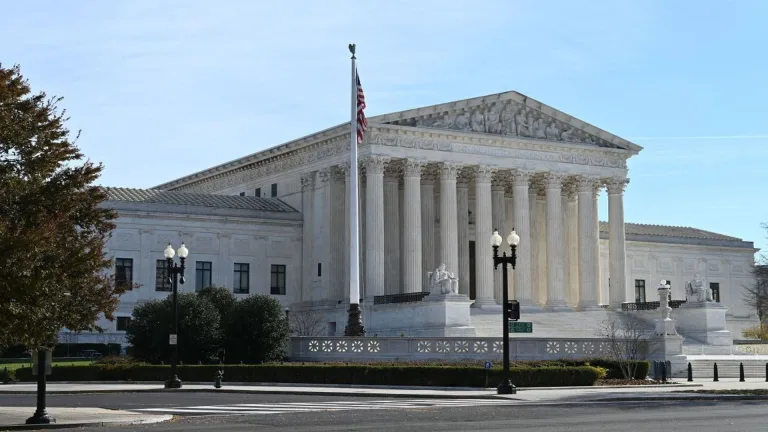
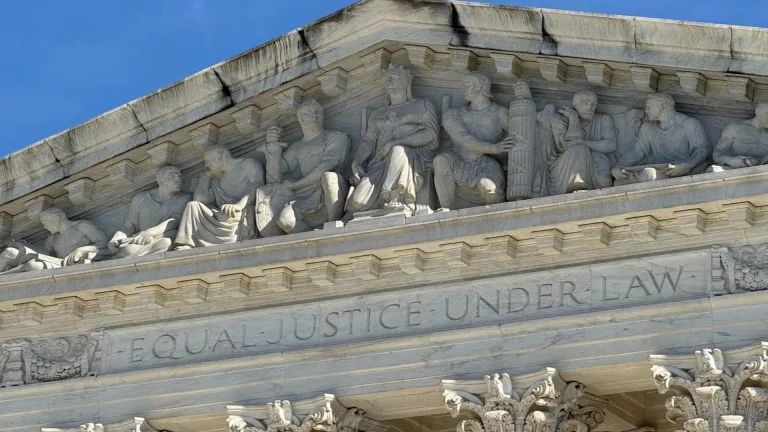
The recent decision by the U.S. Court of Appeals to reject the restoration of a Biden-era regulation has significant implications for immigration policy. This regulation had sought to allow certain deportation proceedings to be suspended, aiming to provide relief to immigrants facing removal from the country.
In a ruling that has drawn mixed reactions, the court determined that the regulation did not align with the current administration’s enforcement priorities. This decision effectively leaves many immigrants without the temporary relief they were hoping for, as the regulation was designed to prioritize cases with more humanitarian considerations.
Impact on Immigrants and Legal Professionals
The court’s ruling is a setback for advocates and legal professionals who argue that the suspended deportation process is essential for ensuring that vulnerable populations receive protections against unjust removal. Attorneys specializing in immigration law are now challenged to navigate an increasingly complex landscape where shifting policies can dramatically affect their clients’ lives.
With the legal framework surrounding immigration constantly evolving, entrepreneurs and professionals must stay informed about how these changes can impact their businesses, especially those that rely on a diverse workforce. Compliance with federal regulations is critical, and understanding the nuances of immigration law is necessary for minimizing risks associated with hiring or retaining employees from immigrant backgrounds.
What Lies Ahead?
The decision illustrates the continuing battle over immigration policy in the United States, with future developments likely impacting both individuals and businesses. As legal challenges continue to unfold, stakeholders must remain vigilant and prepared for potential changes in the law that could affect their operations.
For those navigating this complex area, consulting with legal experts who specialize in immigration law and compliance is more important than ever. The implications of such rulings extend beyond individual cases, influencing broader business practices and human resource strategies across the country.