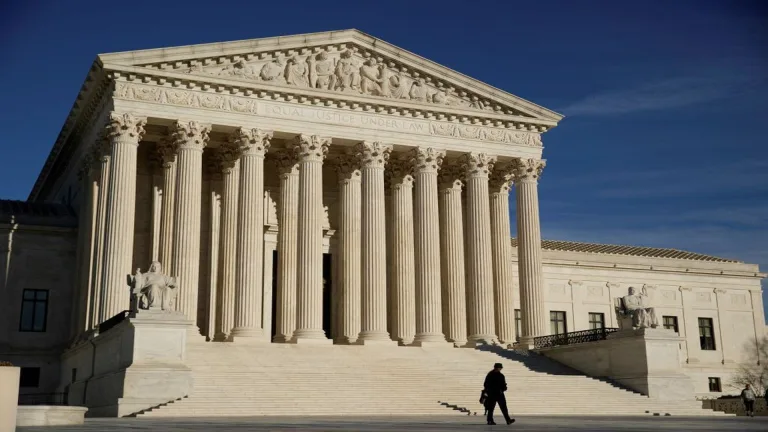
A recent decision by the Supreme Court of the United States (SCOTUS) has upheld a significant agreement between Texas and the Department of Justice (DOJ), focusing on deportation proceedings. This ruling marks a pivotal moment in immigration law, particularly as it relates to state and federal responsibilities.
The Texas-DOJ deal, forged to streamline deportation processes and address the state’s concerns about immigration enforcement, will proceed without interference from the Court. This outcome is crucial for Texas, where immigration has been a contentious issue, heavily influencing local politics and public opinion.
What the Ruling Means for Texas and Beyond
The implications of this ruling extend beyond Texas. By allowing the agreement to stand, SCOTUS reinforces the state’s authority in shaping immigration enforcement policy. This could set a precedent for other states to pursue similar agreements, potentially leading to a patchwork of immigration policies across the country.
Furthermore, the decision comes at a time when the Biden administration’s approach to immigration is under scrutiny. The administration has faced challenges in managing the influx of migrants, and Texas has been at the forefront of legal battles concerning immigration enforcement.
The Broader Political Context
As we look towards the 2026-27 term, there is speculation about how this ruling will influence upcoming political dynamics, particularly with the potential for another Trump presidency looming on the horizon. The former president’s administration took a hardline stance on immigration, and his return to power could shift the legal landscape significantly.
Entrepreneurs and professionals navigating the complexities of business law in Texas must remain aware of how these immigration policies might impact their workforce and compliance requirements. As states gain more authority over immigration matters, businesses may need to adapt their hiring practices and ensure they are compliant with local regulations.